
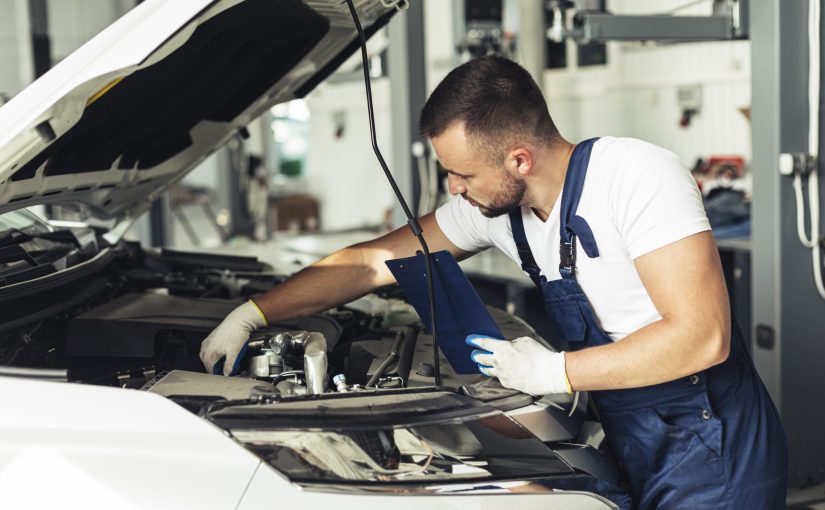
Training new mechanics is a crucial component of running a successful automotive repair shop. As vehicles become increasingly complex, equipping new technicians with the knowledge and skills they need is more important than ever. One of the most effective tools in this training process is the automotive repair shop manual. These manuals are comprehensive resources that provide detailed instructions and specifications for repairing and maintaining various types of vehicles. They can be invaluable in helping new mechanics understand vehicle systems and repair procedures. Here’s a guide on how to effectively use automotive repair shop manuals to train new mechanics.
Understanding the Value of Repair Shop Manuals
Automotive repair shop manuals are essential resources for any mechanic. They contain detailed information about vehicle components, repair procedures, and diagnostic techniques. For new mechanics, these manuals are not just reference materials but comprehensive guides that can shape their understanding of automotive repair. The manuals typically include specifications, diagrams, and step-by-step instructions that help technicians perform repairs accurately and efficiently. By familiarizing new mechanics with these manuals, you can ensure they have a solid foundation for troubleshooting and fixing a wide range of vehicle issues. Understanding the value of repair shop manuals is crucial for any mechanic, as having the right information at your fingertips, like when you Download PDF Workshop Manual versions, can significantly improve the accuracy and efficiency of repairs.

Integrating Manuals into Training Programs
To effectively use repair shop manuals in training programs, it’s important to integrate them into the overall curriculum. Start by introducing new mechanics to the structure and content of the manuals. Teach them how to navigate the different sections, including the introduction, repair procedures, and troubleshooting guides. Emphasize the importance of understanding the table of contents and index, as these will help them quickly locate the information they need during repairs.
Next, incorporate hands-on practice with the manuals. Create scenarios where new mechanics must use the manuals to diagnose and repair simulated problems. For example, you might present a vehicle with a known issue and ask them to use the manual to find the repair procedure and carry it out. This practice not only reinforces their learning but also helps them become more efficient in using the manuals in real-world situations.
Emphasizing the Importance of Accuracy
One of the key aspects of using repair shop manuals is ensuring accuracy in repairs. Manuals provide specific measurements, torque specifications, and repair procedures that must be followed precisely. Train new mechanics to pay close attention to these details to avoid costly mistakes. Encourage them to double-check specifications and procedures before proceeding with any repair. Stress the importance of following the manual’s instructions to the letter, as deviations can lead to subpar repairs and potential safety issues.
Utilizing Diagnostic and Troubleshooting Sections
Repair shop manuals often include diagnostic and troubleshooting sections that are invaluable for new mechanics. These sections help technicians identify the root cause of problems and determine the appropriate repair steps. Teach new mechanics how to use these sections effectively by walking them through common diagnostic procedures. Show them how to interpret diagnostic codes and use the troubleshooting charts provided in the manuals. By understanding these techniques, new mechanics can develop strong problem-solving skills and become more confident in their abilities.
Encouraging Continuous Learning and Reference
Training new mechanics is not a one-time event but an ongoing process. Encourage them to continuously refer to the repair shop manuals as they gain experience. Even experienced mechanics regularly consult manuals to stay updated on new repair techniques and vehicle models. Promote a culture of continuous learning by encouraging new mechanics to seek out additional resources and stay informed about the latest developments in automotive technology.
Promoting Effective Manual Usage
To make the most of repair shop manuals, it’s essential to promote effective usage among new mechanics. Provide them with guidance on how to keep manuals organized and accessible. Whether they are using physical copies or digital versions, ensure they know how to quickly find the information they need. Encourage them to take notes and highlight important sections in their manuals for quick reference.
Additionally, consider creating a reference library or digital repository of repair manuals for your shop. This can make it easier for new mechanics to access the information they need and can serve as a valuable resource for ongoing training and development.
Fostering a Collaborative Learning Environment
Training new mechanics using repair shop manuals can be enhanced by fostering a collaborative learning environment. Encourage experienced technicians to share their knowledge and insights with new hires. Facilitate group discussions and workshops where mechanics can discuss repair procedures and troubleshoot problems together. This collaborative approach can help new mechanics learn from real-world experiences and gain practical insights that may not be covered in the manuals.
Conclusion
Training new mechanics using automotive repair shop manuals is a highly effective strategy for ensuring they develop the skills and knowledge needed to excel in the field. By integrating manuals into training programs, emphasizing accuracy, utilizing diagnostic sections, and promoting continuous learning, you can help new technicians become proficient and confident in their roles. Repair shop manuals are more than just reference materials—they are essential tools that, when used effectively, can greatly enhance the training process and contribute to the overall success of your automotive repair shop.