
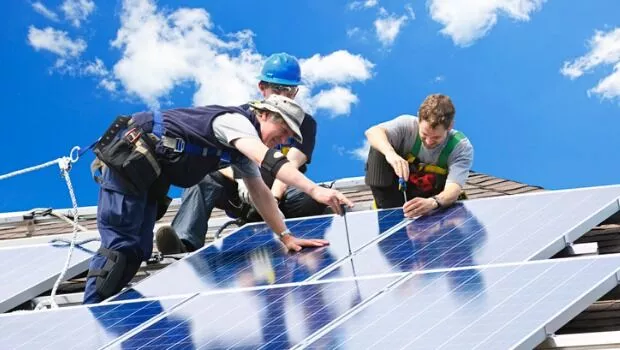
Solar panels, also known as photovoltaic panels, have emerged as a revolutionary technology that harnesses the power of the sun to generate electricity. In a world grappling with the impeding threats of climate change and dwindling fossil fuel reserves, solar panels have become an increasingly popular and sustainable alternative energy source. These panels are composed of numerous individual solar cells made from semiconductor materials, such as silicon, which absorb sunlight and convert it into electricity.
The installation and utilization of solar panels have witnessed a significant surge in recent years. This growth can be attributed to the numerous advantages offered by solar energy, including its renewable nature, reduced greenhouse gas emissions, and cost-effectiveness in the long run. Furthermore, solar panels have proven to be highly versatile, as they can be installed on rooftops, in open fields, or even integrated into building materials themselves. With advancements in technology and increasing affordability, solar panels present a promising solution to meet our energy needs while mitigating the detrimental effects of traditional energy production.
How Much Money Can You Save with Solar Panels?
Solar panels are a great way to reduce your electricity bills and save money in the long run. The amount of money you can save with solar panels depends on various factors, such as the size of your solar system, your energy usage, and the price of electricity in your area. On average, homeowners with solar panels can save thousands of dollars over the lifespan of the system. By generating your own electricity, you can reduce or even eliminate your dependence on the grid and avoid rising electricity costs. Additionally, many governments offer incentives and tax credits for installing solar panels, further reducing the upfront costs and increasing your savings. So, if you’re wondering whether solar panels can save you money, find answers here.
Conclusion
Solar panels have proven to be a game-changer in the realm of alternative energy sources. Their ability to harness the power of the sun and convert it into electricity has made them increasingly popular and in demand. Not only do solar panels offer a sustainable and renewable energy solution, but they also provide numerous financial benefits. By reducing or even eliminating dependence on the grid, homeowners can save thousands of dollars over the lifespan of their solar system. Furthermore, with governments offering incentives and tax credits, the upfront costs of installing solar panels are considerably reduced, making them an even more cost-effective choice. As advancements continue to be made in technology and solar panels become more affordable, it is clear that they hold significant promise in meeting our energy needs while simultaneously mitigating the harmful effects of traditional energy production.