
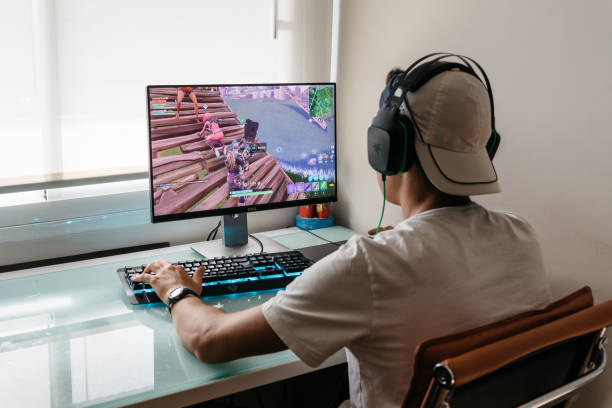
Online gaming has captured the attention of millions worldwide, offering immersive and entertaining experiences. But gaming is more than just a form of entertainment—it has the power to enhance cognitive abilities. The presence of singapore live dealer adds an interactive and social element to online gaming, as players can interact with the dealers and fellow participants through live chat features. In this article, we explore the impact of online gaming on cognitive skills, shedding light on how gameplay can improve memory, problem-solving, attention, and other crucial cognitive functions.
Enhancing Memory and Recall
Working Memory Training
Online games often require players to remember and recall information quickly. This constant exercise of working memory can improve memory capacity and the ability to hold and manipulate information in the mind. Games that involve memorizing patterns, solving puzzles, or remembering specific details can significantly enhance memory skills.
Spatial Memory and Navigation
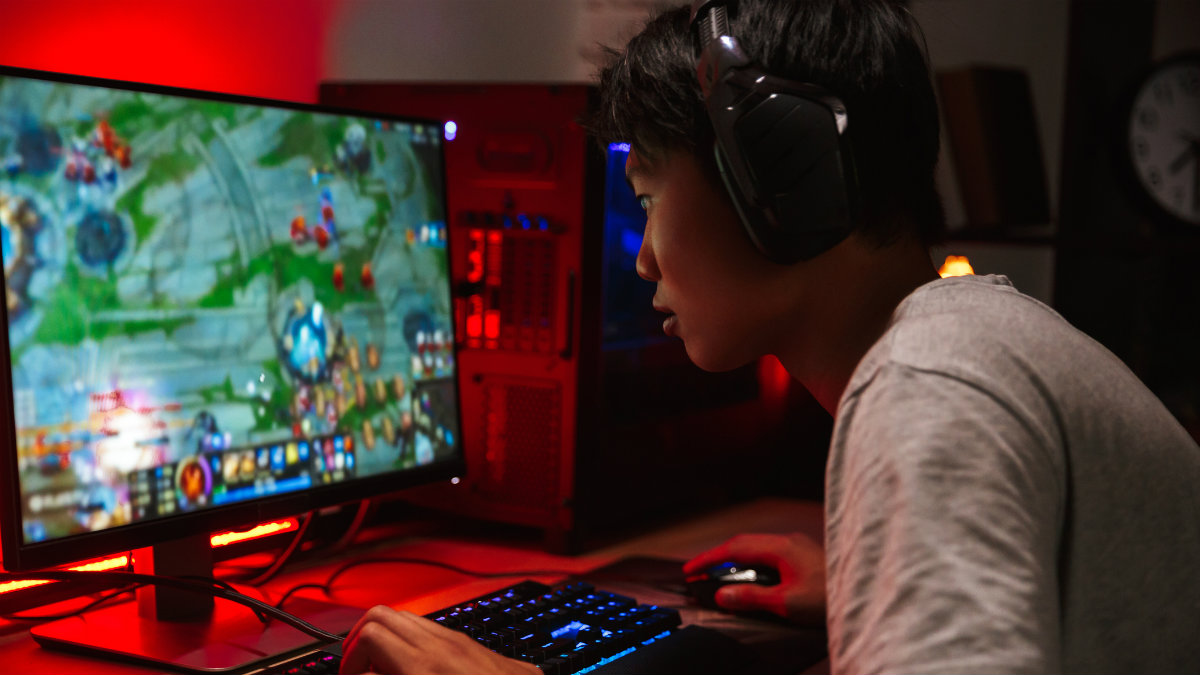
Many online games feature vast virtual worlds that players must navigate. By exploring and memorizing the layout of these environments, gamers develop spatial memory skills. This ability to remember and mentally map physical spaces can have practical applications in real-world scenarios, such as navigating unfamiliar cities or remembering complex routes.
Boosting Problem-Solving and Critical Thinking
Complex Challenges
Online games often present players with intricate problems and challenges to overcome. Gamers must think critically, analyze situations, and develop strategies to progress. This constant exposure to complex problem-solving scenarios hones critical thinking skills, encouraging players to consider alternative solutions and think outside the box.
Decision-Making Under Pressure
Many online games require players to make split-second decisions, often in high-pressure situations. This fast-paced decision-making trains individuals to think quickly, weigh consequences, and make effective choices in time-sensitive environments. This skill can be transferrable to real-life scenarios that require rapid decision-making.
Improving Attention and Focus
Sustained Attention
Online gaming demands sustained attention for extended periods. Players must remain focused on the game, processing multiple stimuli simultaneously. This sustained attention can improve concentration and the ability to stay focused on tasks in other areas of life, such as work or academics.
Selective Attention and Filtering
In online games, players must pay attention to relevant cues while ignoring distractions. This selective attention and filtering ability can transfer to real-life situations, enabling individuals to concentrate on essential information while disregarding irrelevant stimuli. Improved selective attention can enhance productivity and performance in various domains.
Enhancing Cognitive Flexibility
Adaptability to Changing Environments
Online games often feature dynamic and ever-changing environments that require players to adapt quickly. This adaptability cultivates cognitive flexibility—the ability to switch between different tasks, strategies, or approaches. Improved cognitive flexibility allows individuals to adjust to new situations, solve problems from different perspectives, and embrace change more effectively.
Multitasking Skills
Online gaming frequently involves multitasking, such as managing multiple objectives, communicating with teammates, and monitoring various aspects of the game simultaneously. These multitasking demands enhance individuals’ ability to juggle multiple tasks efficiently and switch between different activities without losing focus or performance.
Social and Collaborative Benefits
Teamwork and Communication
Many online games encourage teamwork and collaboration among players. By interacting with teammates, coordinating strategies, and communicating effectively, gamers develop crucial social and communication skills. These skills can transfer to real-life settings, fostering stronger interpersonal relationships and improving teamwork abilities in professional or personal environments.
Global Connections and Cultural Awareness
Online gaming transcends geographical boundaries, connecting players from diverse backgrounds and cultures. Through interactions with gamers worldwide, individuals develop cultural awareness, empathy, and an appreciation for different perspectives. This global exposure contributes to a more inclusive worldview and fosters the ability to collaborate with people from various cultural backgrounds.
Conclusion
Online gaming offers more than just entertainment—it provides a platform for cognitive development and enhancement. Through engaging gameplay, gamers can boost memory, problem-solving abilities, attention, cognitive flexibility, and social skills. The power of play extends beyond the screen, positively impacting individuals’ cognitive functions and preparing them to excel in various real-life situations. So, embrace the potential of online gaming and harness its power to unlock your cognitive abilities.